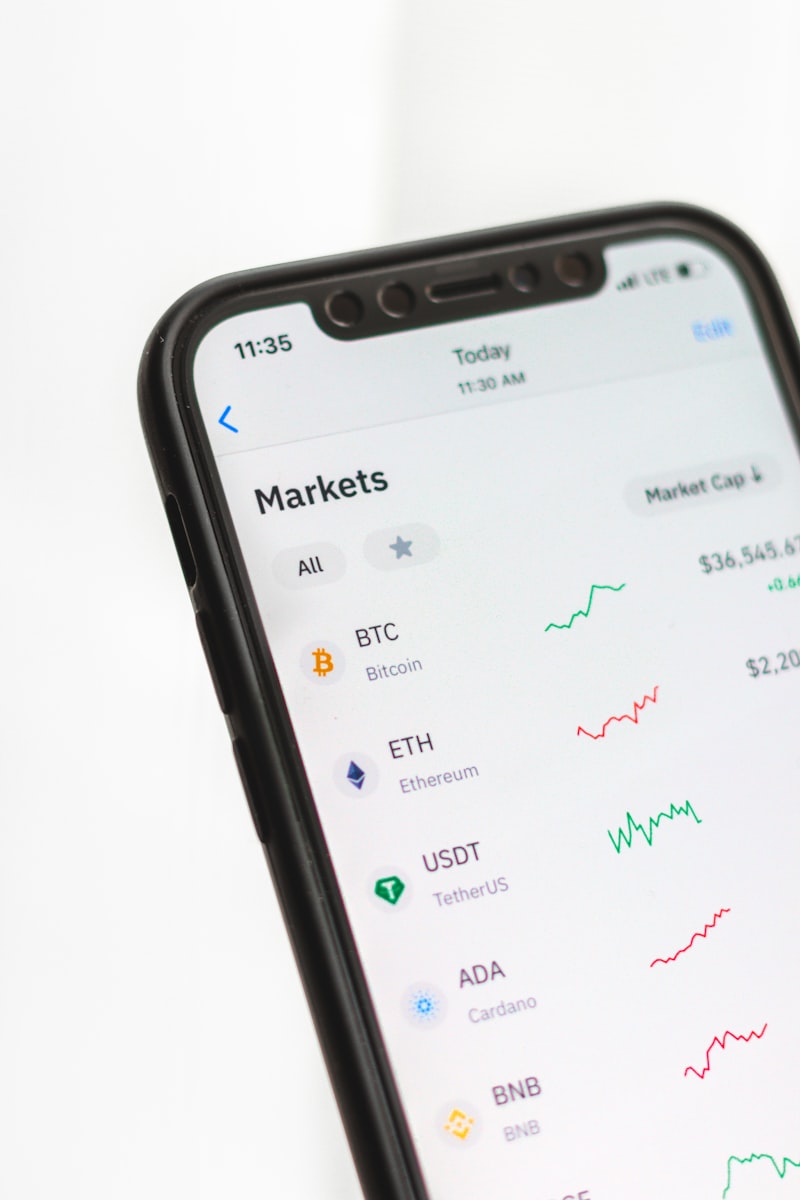
Why Crypto Traders Need a Journal
The crypto market is the most volatile and emotionally charged market in existence. 24/7 trading, extreme volatility, news-driven moves, and permanent loss risk make it essential to track every trade. Without a journal, crypto trading is pure gambling.
A crypto trading journal helps you:
- Identify which types of trades (spot, futures, DeFi) perform best
- Track performance across different market conditions (bull, bear, sideways)
- Measure the impact of news events on your trading
- Monitor risk on volatile, high-leverage positions
🪙 "Crypto moves 5-10% in a day like it's nothing. Without a journal, you can't tell if you're skillful or just lucky in a bull market.". David M., Crypto Trader
Unique Crypto Journaling Challenges
Crypto trading presents journaling challenges that don't exist in other markets:
- 24/7 market: No daily close. when do you mark trades?
- Multiple exchanges: Trades on Binance, Coinbase, Bybit, etc.
- Futures & perp contracts: Different from spot trading
- Funding rates: A hidden cost of holding leveraged positions
- Tokenomics: Inflation rates, staking rewards, unlock schedules
A good crypto journal accounts for all of these factors.
Crypto-Specific Metrics to Track
- Market cap tier: Large-cap ($10B+), mid-cap ($1B-$10B), small-cap
- Market regime: Bull, bear, range-bound at time of trade
- Leverage used: If trading futures/perps
- Funding rate paid: Track this cost
- News catalyst: Was this trade based on news/events?
- Exchange: Which platform was used
- Token age: New launch vs. established coin
Tracking Altcoins vs. Blue Chips
Your crypto journal should differentiate between types of assets:
Blue Chips (BTC, ETH, SOL)
- Higher liquidity, lower volatility
- Better for position trading and swing trading
- Track correlation between coins
Mid-Cap Altcoins
- Higher volatility, trend-driven
- Track catalyst timing
- Monitor project fundamentals
Small-Cap / Micro-Cap
- Extreme risk, potential extreme reward
- Track liquidity carefully
- Log exit liquidity strategy
DeFi & Yield Farming Trades
DeFi requires additional tracking fields:
- Protocol: Uniswap, Aave, Curve, etc.
- APY/APR: Track yield over time
- Impermanent loss: Track price ratio shifts
- Gas fees: Log transaction costs
- Lock-up period: Track vesting schedules
Tracking NFT Sales
If you trade NFTs, your journal needs:
- Collection: Bored Apes, Pudgy Penguins, etc.
- Rarity rank: Within collection
- Floor price at entry/exit: For comparison
- Royalty fees: Creator royalties and marketplace fees
- Mint price vs. purchase price: If bought at mint vs. secondary
Exchange & Wallet Tracking
Crypto traders often use multiple exchanges. Track this in your journal to understand where you get better fills and lower fees:
- Centralized exchanges: Binance, Coinbase, Kraken, Bybit
- DEXs: Uniswap, SushiSwap, Jupiter
- Perpetual futures: dYdX, GMX, Hyperliquid
Crypto Journal Setup in Notion
Here's how to set up your crypto journal in Notion:
- Database: "Crypto Trades" with properties for Coin, Type (Spot/Futures/DeFi/NFT), Exchange, Entry, Exit, Size, Leverage, Funding Rate, Catalyst, Emotional State
- Formulas: P&L in USD and % terms, Win/Loss, R-multiple, ROI
- Views: Board by coin type, Calendar by date, Gallery for charts
- Linked databases: Strategies (spot trading, swing, scalping), Portfolio Tracker, Weekly Reviews
Our Notion Trading Journal Template includes a complete crypto trading setup with all these fields and views. Get started in minutes, not hours.
References: TradingView charts
References: TradingView charts
Track Your Crypto Trades Like a Pro
Get the Notion Trading Journal template with crypto-specific fields, DeFi tracking, NFT logging, and automated calculations.
Get the Template →