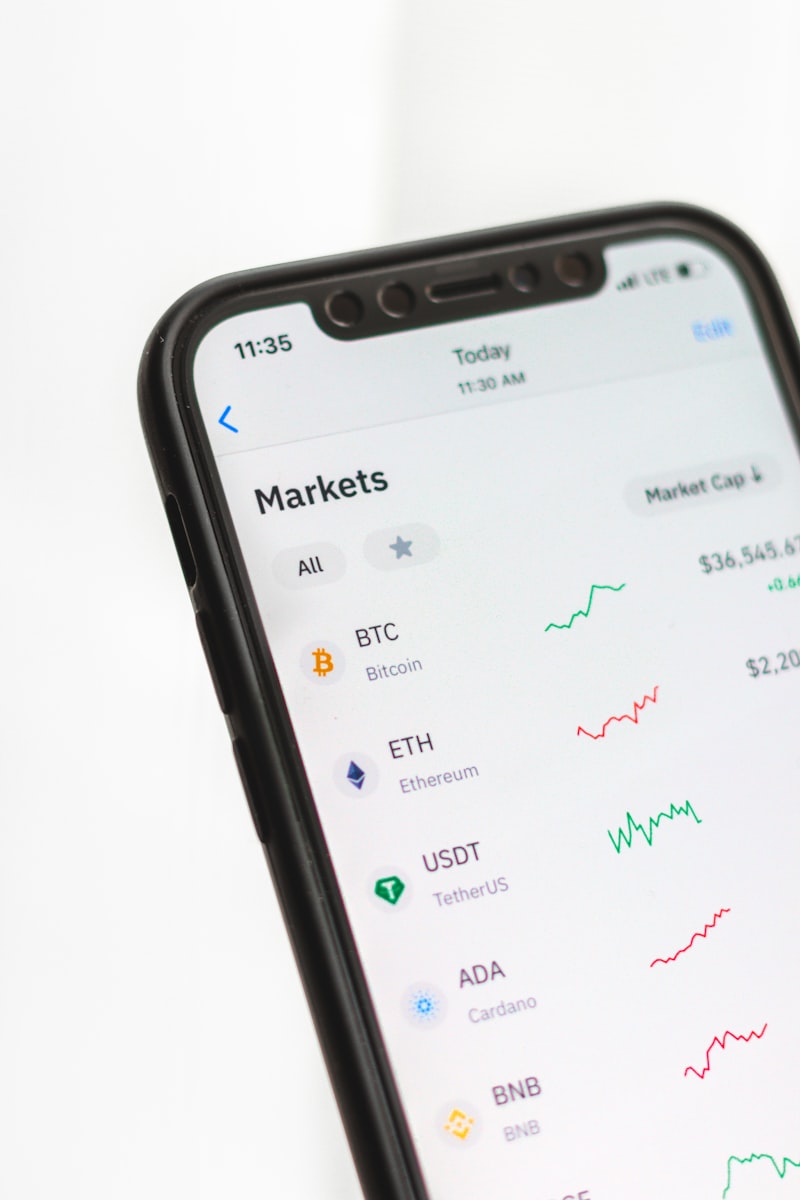
Is Crypto Trading Right for Beginners?
Crypto trading in 2026 is more accessible than ever. Exchanges are user-friendly, educational resources are abundant, and the 24/7 market means you can trade whenever you want. But crypto is also the most volatile market. 10-20% daily moves are normal, and permanent loss is a real risk.
If you're a beginner, crypto trading can be a great place to learn. if you approach it with the right mindset: start small, prioritize security, and journal everything.
🪙 "I started crypto trading with $100. I lost it, then another $100, then another. My journal showed me I was trading on emotion. Once I fixed that, I became profitable."
Choosing a Crypto Exchange
Your exchange is your gateway to the crypto market. Here's what matters:
- Security: Look for exchanges with cold storage, insurance, and good track records
- Fees: Trading fees (usually 0.1-0.5%), withdrawal fees, deposit methods
- Available coins: Do they have the coins you want to trade?
- Liquidity: High liquidity means tighter spreads and better fills
- Regulation: Regulated exchanges are safer
Recommended Exchanges for Beginners (2026)
- Coinbase: Most beginner-friendly, regulated in the US, simple interface
- Kraken: Good balance of features and security, moderate fees
- Binance: Lowest fees, huge coin selection (not available in some regions)
- Bybit: Popular for futures trading, more advanced
Crypto Wallets: Hot vs. Cold Storage
Understanding wallets is essential for crypto safety:
Hot Wallets (Connected to Internet)
- Exchange wallets: Convenient for trading, but "not your keys, not your coins"
- Software wallets: MetaMask, Trust Wallet, Phantom. good for active use
Cold Wallets (Offline Storage)
- Hardware wallets: Ledger, Trezor. safest for long-term holdings
- Paper wallets: Printed private keys. not recommended for beginners
For active trading, keep funds on the exchange. For long-term holdings, use a cold wallet.
Understanding Trading Pairs
In crypto, you don't buy "coins". you trade pairs. Common types:
- Stablecoin pairs: BTC/USDT, ETH/USDC. trade against a stable dollar-pegged coin
- Fiat pairs: BTC/USD, ETH/EUR. trade directly against government currency
- Crypto pairs: ETH/BTC, SOL/ETH. trade one crypto for another
For beginners, stablecoin pairs are easiest to understand. The price in USDT is effectively the dollar price.
Spot Trading vs. Margin/Futures
Spot trading: You buy the actual asset. If you buy 1 BTC, you own 1 BTC. Simple, no leverage, no liquidation risk.
Margin/Futures trading: You borrow money (leverage) to trade larger positions. High potential returns, but you can lose everything if the trade goes against you.
Beginners: start with spot trading only. Do not touch leverage until you have 6+ months of consistent profitability on spot.
Risk Management in Crypto
Crypto risk management is even more critical than in traditional markets:
- Risk per trade: 0.5-1% of your crypto portfolio per trade
- Stop losses are essential: Crypto can move 20% against you in hours
- Diversify across coins: Don't put everything in one coin
- Take profits regularly: Crypto goes up fast and comes down faster
- Never invest what you can't afford to lose: This is the golden rule
Simple Strategies for Beginners
Dollar Cost Averaging (DCA)
Buy a fixed dollar amount of Bitcoin or Ethereum every week. Ignore price. This smooths out volatility and works well over time.
Swing Trading Support/Resistance
Buy near support on the daily timeframe, sell near resistance. Simple, effective, and gives you time to think.
Trend Following
Buy when price is above the 50-day and 200-day moving averages. Sell when it drops below. This keeps you on the right side of major trends.
Journaling Your Crypto Trades
Crypto traders need to track unique factors:
- Coin type: Blue chip, mid-cap, small-cap, meme coin
- Exchange: Which platform was used
- Market regime: Bull, bear, or ranging at time of trade
- News catalyst: Was there a specific event driving the trade?
- Leverage used (if any): And funding rate cost
Our Notion Trading Journal Template includes a complete crypto trading setup with all these fields, automated calculations, and a portfolio tracker. Start journaling your crypto trades today.
References: CoinMarketCap data
References: CoinMarketCap data
Start Your Crypto Trading Journey
Get the Notion Trading Journal template with crypto-specific tracking, portfolio management, and risk analysis.
Get the Template →